How Regular Pruning Keeps Your Yard Strong and Hazard-Free
Tree trimming for healthier and safer trees means removing weak, dead, or overgrown branches so a tree can grow the right way. When trees are trimmed on time, they are less likely to drop heavy limbs, spread disease, or grow into power lines. Regular care helps trees stay strong during storms and keeps your yard safer for family and neighbors.
Why Prevention Matters
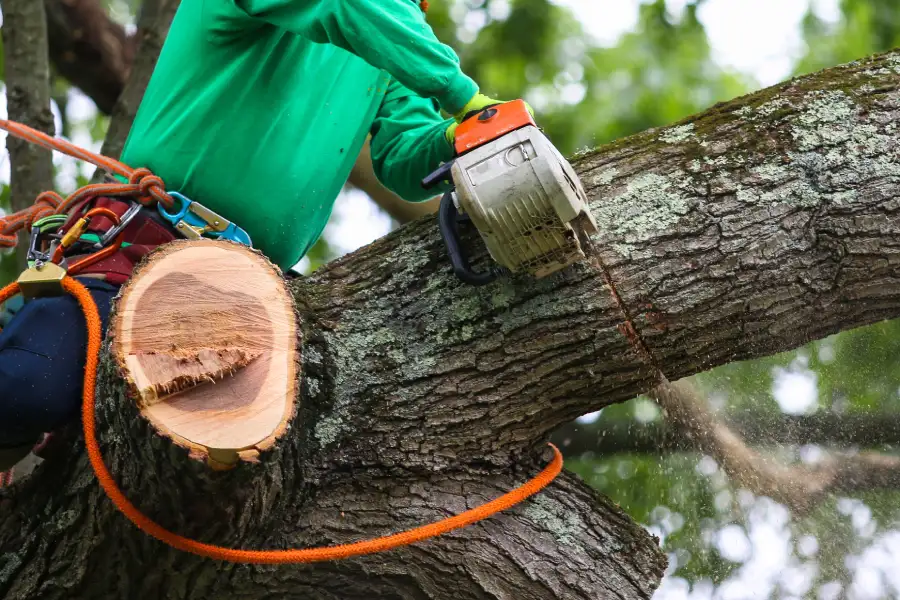
Small problems in a tree can turn into big risks. A cracked branch may not seem serious at first. But with wind or rain, it can snap and fall. Overgrown limbs can also block sunlight and air, which makes it harder for the tree to stay healthy.
tree trimming is part of smart outdoor maintenance. By cutting back weak or crowded branches, you help the tree focus its energy on strong growth. This also protects your roof, fence, and parked cars from damage.
Early Warning Signs to Watch For
Many trees show signs when they need attention. Catching these early can save time and prevent larger repairs.
- Dead or hanging branches in the canopy
- Limbs touching your house or power lines
- Cracks where branches meet the trunk
- Thick growth that blocks sunlight
- Branches rubbing against each other
If you notice one or more of these issues, it may be time for tree trimming. Acting early can stop decay from spreading and reduce safety risks around your property.
Seasonal Checklist for Routine Care
Tree care is not a one-time task. Different seasons call for different steps. A simple routine can keep your landscape in good shape all year.
- Inspect trees in early spring for winter damage.
- Remove dead limbs before summer storms arrive.
- Lightly prune fast-growing branches in late summer.
- Check structure again in fall after leaves drop.
- Clear away fallen debris to prevent pests.
This basic plan supports healthier growth and reduces the chance of surprise hazards. Some trees may need more frequent attention depending on age and type.
Best Practices for Long-Term Results
Proper cuts make a big difference. Random cutting can harm a tree. Strategic pruning helps it thrive for years.
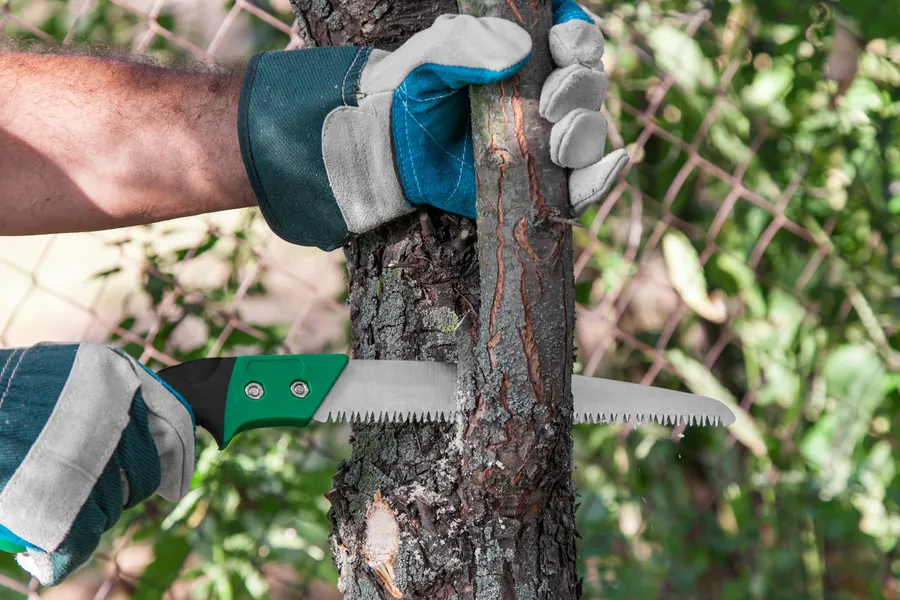
Always cut just outside the branch collar, which is the slightly raised area where the branch meets the trunk. Avoid cutting too close or leaving long stubs. Both mistakes can invite decay.
It is also wise not to remove too much at once. Taking more than 25 percent of a tree’s canopy in one season can stress it. Slow, steady maintenance works better than heavy cutting all at once.
Working with a professional in the field adds another layer of protection. Skilled crews know how different species respond to pruning and how to shape them for strength.
What Not to Do
Some actions can do more harm than good. Avoid these common mistakes:
- Topping the tree, which removes large sections of the crown
- Using dull tools that tear the bark
- Climbing without proper safety gear
- Ignoring large dead limbs high above the ground
Topping often leads to weak new growth that breaks easily. Poor tools and unsafe climbing can also lead to injuries. tree trimming should improve safety, not create new risks.
When to Schedule Professional Help
Some jobs are simple, like trimming small branches you can reach from the ground. Larger projects need special equipment and training. If a tree is tall, close to power lines, or shaped in a risky way, it is best to call experienced professionals.
You should also get help if you see signs of disease, such as fungal growth on the trunk or large hollow areas. A trained team can inspect the tree and decide whether trimming or removal is the safer option.
Protect Your Trees and Property the Right Way
In Glenn Dale, MD, healthy trees add shade, beauty, and value to your property. At New Creation Tree Experts, we provide careful tree trimming designed to support strong growth and reduce risk. We use safe methods and proper equipment on every job. If you would like guidance or want to schedule service, call us at (240) 221-9230 and let us help you keep your trees healthy and your yard safe.