Protect Your Home and Yard Before Severe Weather Hits
Storms can turn weak or overgrown trees into major hazards fast. A tree cutting service helps remove dead limbs, thin heavy branches, and take down risky trees before high winds arrive. By dealing with problem trees early, you lower the chance of roof damage, blocked driveways, and fallen power lines. Preparing your yard before storm season is one of the simplest ways to protect your home and family.
The Problem Storms Create for Trees
Strong winds push against branches like giant sails. Heavy rain soaks the soil and loosens roots. When trees are already damaged or leaning, they are more likely to fall. During a bad storm, even one weak limb can crash onto a car or break a window.
Many homeowners do not notice tree problems until it is too late. A tree may look healthy from far away but have rot inside the trunk. Storm pressure exposes those hidden issues.
Common Warning Signs Before a Storm
You can often spot risks early if you know what to look for. Watch for these signs around your yard:
- Dead or hanging branches
- Cracks in large limbs
- Hollow or soft spots in the trunk
- Trees leaning more than usual
- Branches touching your roof or power lines
If you see one or more of these problems, a tree cutting service can inspect the tree and suggest the safest next step.
What Causes Trees to Fail During Storms
Several issues make trees weaker in high winds. Poor pruning in the past can leave unbalanced weight at the top. Overgrown canopies catch more wind. Shallow roots in wet soil can shift fast.
Another common cause is disease. Fungus and insects eat away at wood strength. From the outside, the tree may still have green leaves. Inside, the structure may be breaking down. When wind gusts hit, the weak sections snap.
What to Check First on Your Property
Before storm season begins, walk around your yard. Look up at the canopy and down at the base of each tree. Check how close limbs are to your home, fence, or garage. Pay special attention to large trees near bedrooms or main living spaces.
If you feel unsure about a tree’s stability, do not try to climb it or cut large limbs yourself. Storm prep is about safety, not taking risks.
Simple Fixes Vs Professional-Level Work
Some light yard tasks are safe for homeowners. You can:
- Pick up loose sticks and small debris
- Trim very small branches with hand tools
- Clear gutters so water flows away from the house
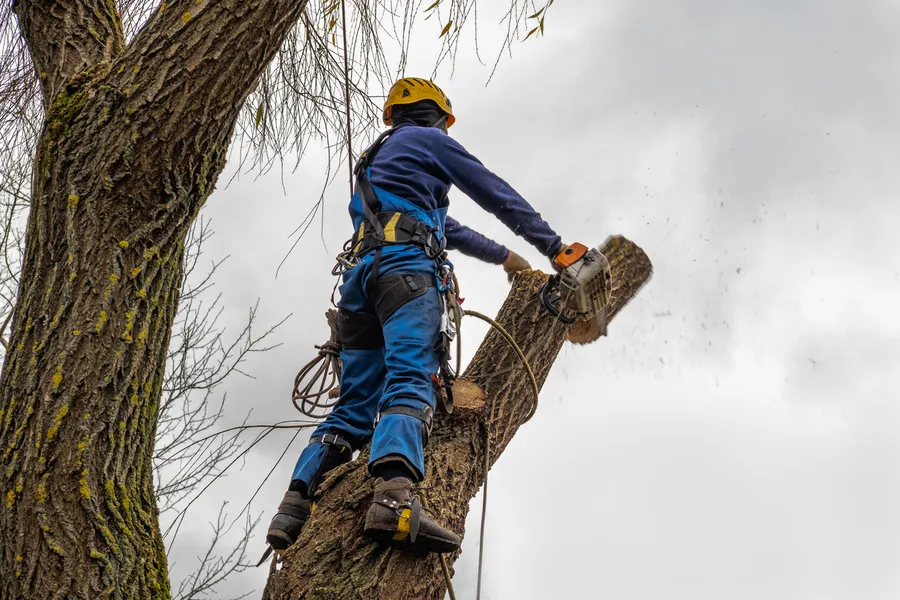
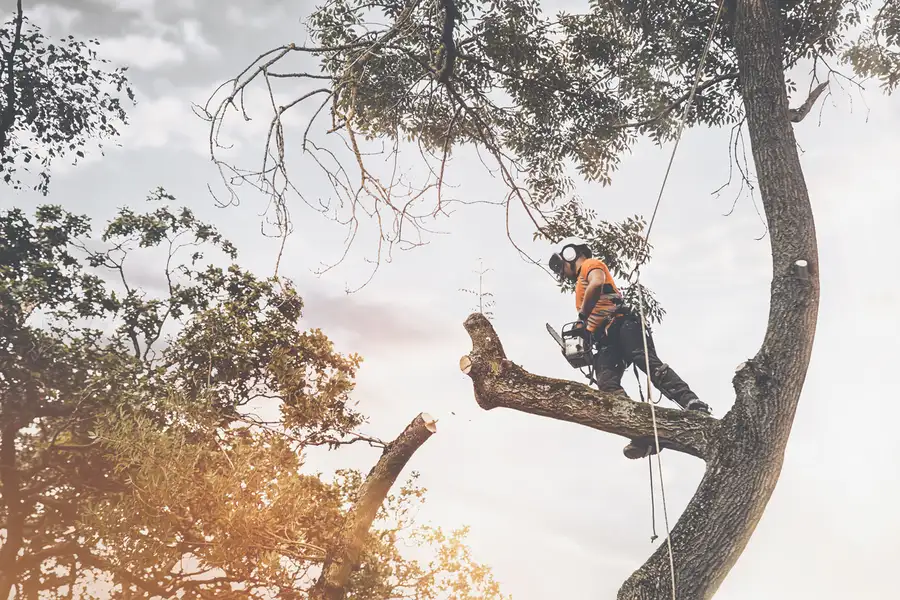
But larger jobs need skill and equipment. Removing heavy limbs, cutting tall trees, and working near power lines should be handled by a tree cutting service. Professionals use safety gear, ropes, and saws designed for big tasks. They also know how to control where a branch falls.
Hiring trained crews reduces the chance of injury and property damage during preparation.
How Early Tree Work Prevents Bigger Damage
Storm cleanup often costs more than storm prevention. A fallen tree can damage roofing, siding, and vehicles all at once. It may also block emergency access to your home.
Preventive trimming spreads out the weight of the canopy. Removing dead limbs lowers the chance of surprise breakage. In some cases, full removal is the safest option if a tree is too close to the home or badly decayed.
Planning ahead also gives you more scheduling options. Many companies get busy right before or after a storm. Booking early means your yard is ready before the weather turns.
Prevention Tips for Every Storm Season
- Schedule an annual tree inspection.
- Trim back branches that hang over your roof.
- Remove trees that are dead or severely leaning.
- Keep the area around trunks clear of heavy mulch piles.
- After each storm, recheck for new cracks or splits.
Regular care keeps small problems from growing into big ones. Even strong, mature trees need attention over time.
Protect Your Property Before the Next Storm
If you want help getting your yard ready in Glenn Dale, MD, we are here to support you. At New Creation Tree Experts, our crews handle trimming, removals, and full storm preparation with safety as our top priority. Call us at (240) 221-9230 to schedule a visit and let us help you prepare before the next storm rolls in.